
Travaux Dirigés en Écologie Générale
L'écologie générale est la science qui étudie les relations entre les êtres vivants (animaux, plantes, microbes) et leur environnement. Elle analyse comment ces interactions influencent la répartition, l'abondance et la survie des espèces au sein de la biosphère.

ONDES ET VIBRATIONS
Ce cours de Physique II s'adresse aux étudiants de 1ère année Licence (Génie électrique, civil, mécanique et procédés). Il a pour but de poser les bases théoriques nécessaires à la compréhension des phénomènes ondulatoires que vous rencontrerez tout au long de votre formation et de votre vie professionnelle : son, lumière, vibrations mécaniques, signaux électriques, etc.
Le cours est organisé en deux chapitres complémentaires.
Le premier chapitre, consacré à la propagation des ondes, vous permettra d'identifier les différents types d'ondes (mécaniques ou électromagnétiques, longitudinales ou transversales) et de comprendre les grandeurs qui les caractérisent : célérité, fréquence, période et longueur d'onde. On y établit également l'équation de propagation, outil mathématique central pour décrire l'évolution d'une onde dans le temps et dans l'espace.
Le second chapitre prend l'exemple concret de la corde vibrante pour approfondir ces notions : établissement de l'équation d'onde, calcul de la force et de l'impédance, étude de la réflexion et de la transmission lorsqu'une onde rencontre un changement de milieu, principe de superposition des ondes, et enfin les oscillations libres d'une corde fixée à ses deux extrémités — phénomène à l'origine du fonctionnement des instruments de musique à cordes.
À l'issue de ce cours, vous serez capables d'analyser un phénomène ondulatoire, de manipuler les grandeurs associées et d'aborder avec assurance les travaux dirigés et évaluations qui suivront.

ondes et vibrations
Ce cours de Physique II s'adresse aux étudiants de 1ère année Licence (Génie électrique, civil, mécanique et procédés). Il a pour but de poser les bases théoriques nécessaires à la compréhension des phénomènes ondulatoires que vous rencontrerez tout au long de votre formation et de votre vie professionnelle : son, lumière, vibrations mécaniques, signaux électriques, etc.
Le cours est organisé en deux chapitres complémentaires.
Le premier chapitre, consacré à la propagation des ondes, vous permettra d'identifier les différents types d'ondes (mécaniques ou électromagnétiques, longitudinales ou transversales) et de comprendre les grandeurs qui les caractérisent : célérité, fréquence, période et longueur d'onde. On y établit également l'équation de propagation, outil mathématique central pour décrire l'évolution d'une onde dans le temps et dans l'espace.
Le second chapitre prend l'exemple concret de la corde vibrante pour approfondir ces notions : établissement de l'équation d'onde, calcul de la force et de l'impédance, étude de la réflexion et de la transmission lorsqu'une onde rencontre un changement de milieu, principe de superposition des ondes, et enfin les oscillations libres d'une corde fixée à ses deux extrémités — phénomène à l'origine du fonctionnement des instruments de musique à cordes.
À l'issue de ce cours, vous serez capables d'analyser un phénomène ondulatoire, de manipuler les grandeurs associées et d'aborder avec assurance les travaux dirigés et évaluations qui suivront.

Électricité et magnétisme
L'électricité et le magnétisme sont deux phénomènes physiques fondamentaux qui interviennent dans de
nombreux domaines de la vie quotidienne. Ils sont étroitement liés et forment un champ
électromagnétique qui joue un rôle crucial dans la compréhension de nombreux phénomènes naturels et
techniques.

WRITING TECHNIQUES 2ND SEMESTER
This course is designed for first-year students preparing to become middle school English teachers. It provides a practical and structured approach to academic writing, focusing on the development of coherent paragraphs across different genres. Learners will explore comparison/contrast, opinion, process, classification, and definition paragraphs, while strengthening their ability to paraphrase, summarize, and critically review written work.
Through interactive tasks, peer review, and constructive feedback, students will refine their writing style, enhance clarity, and learn to adapt their communication to diverse audiences. The course emphasizes both the mechanics of writing—grammar, punctuation, and sentence structure—and the art of organizing ideas logically and persuasively.
By the end of the semester, students will not only master essential writing techniques but also cultivate reflective practices that prepare them for their future role as educators.

Mobile Development
The Mobile Development module is dedicated to the study of the fundamental principles, engineering tools, and technologies required to design modern mobile applications, with a primary focus on the Android platform.
Driven by the ubiquitous growth of smartphones and connected devices, mobile development has emerged as a critical domain across key socio-economic sectors, including e-commerce, education, healthcare, transportation, and digital services. This course provides students with a comprehensive introduction to the Android Studio integrated development environment (IDE).
Students will acquire hands-on experience with the core architectural components of a mobile application, including user interface (UI) design, activity lifecycle management, cross-screen navigation, data persistence, and network connectivity.

Civilisation, Culture and Interculturality
This module explores the major political, economic, and social developments in Britain from the Edwardian era (early 20th century) to the end of the 20th century. It traces how Britain evolved from a powerful imperial nation into a modern, globalised society.
The course begins with the Edwardian period, a time marked by social inequality, class divisions, and early calls for reform, as well as the height of the British Empire. It then examines the impact of the First and Second World Wars, which transformed British society, weakened the empire, and changed Britain’s global position.
Students study the interwar period, focusing on economic difficulties, unemployment, and political tensions, followed by the creation of the welfare state after 1945. This period introduced major social reforms and a system designed to provide security and improve living standards.
The module then explores the post-war consensus and the relative stability of the 1950s and 1960s, before analysing the economic crises of the 1970s, which led to the collapse of this system. A key focus is the transformation of Britain in the 1980s under Margaret Thatcher, including the shift toward free-market policies, privatisation, and reduced state intervention.
Finally, the course examines the social and political changes leading up to the late 20th century, including deindustrialisation, rising inequality, and the emergence of a new political era in the 1990s.
Overall, the module helps students understand the key turning points that shaped modern Britain, highlighting the relationship between historical events, political decisions, and social change.

تصميم المناهج الدراسية
يعتبر المنهاج التربوي من المقومات الأساسية المكونة للنّظام التّربوي، ويحظى باهتمام كبير من طرف الدّول التي تسعى إلى تحسين مردودها، والارتقاء بمكانتها والحفاظ على هيمنتها، فهي تعتبره من أهم وسائل الاستثمار في الموارد البشرية فمن خلاله تبني الفرد الذي تطمح إليه والذي يحقق لها التّنمية الشّاملة.، لهذا لابد من الاهتمام بكل ما يهدف إلى تطويرها باعتبارها مجموعة من العناصر التي تربطها علاقة تكامل محددة بوضوح

القانون الاداري
لهذا المقياس أهمية بالنسية لطلاب الحقوق والعلوم السياسية، خصوصا أصبح له تخصص الماستر القائم بإسمه، ولم يعد يقتصر على طلبة الحقوق فقط، بل تعداه لتخصصات أخرى كتخصص الفنون بالنسبة لطلبة ماستر ادارة اعمال وحقوق فنية.
فالدارس لهذا المقايس وجب عليه معرفة أولا مفهوم هذا القانون، خاصة كونه غير مقنن حديث النشأة، والتعرف كيف نشأ ووصولا الى الازدواجية القانونية والقضائية وكيف طبقت في بعض الدول منها الجزائر والدول الانجلوساكسونية.
تحتوي هذه المادة على جملة من المواضيع التي سيتلقاها الطالب خلال مساره في السداسي الأول، بداءا من التعاريف المتعلقة بهذا القانون، معرجا على كيفية نشوئه ومعرفة المصادر التي أستنبط منها، ووصولا بالكالب لمعرفة أهم الهياكل الادارية التي تتشكل منها الدولة والجماعات المحلية، وكذا المراحل التي مر بهذا نظام الازدواجية القانونية والقضائية من الأحادية الى الثنائية.
وتم شرح هذا المقياس بصفة عامة ومختصرة في شكل خريطة ذهنية تبين أهم المحاور التي ينبني عليها.
قانون البيئة و التنمية المستدامة
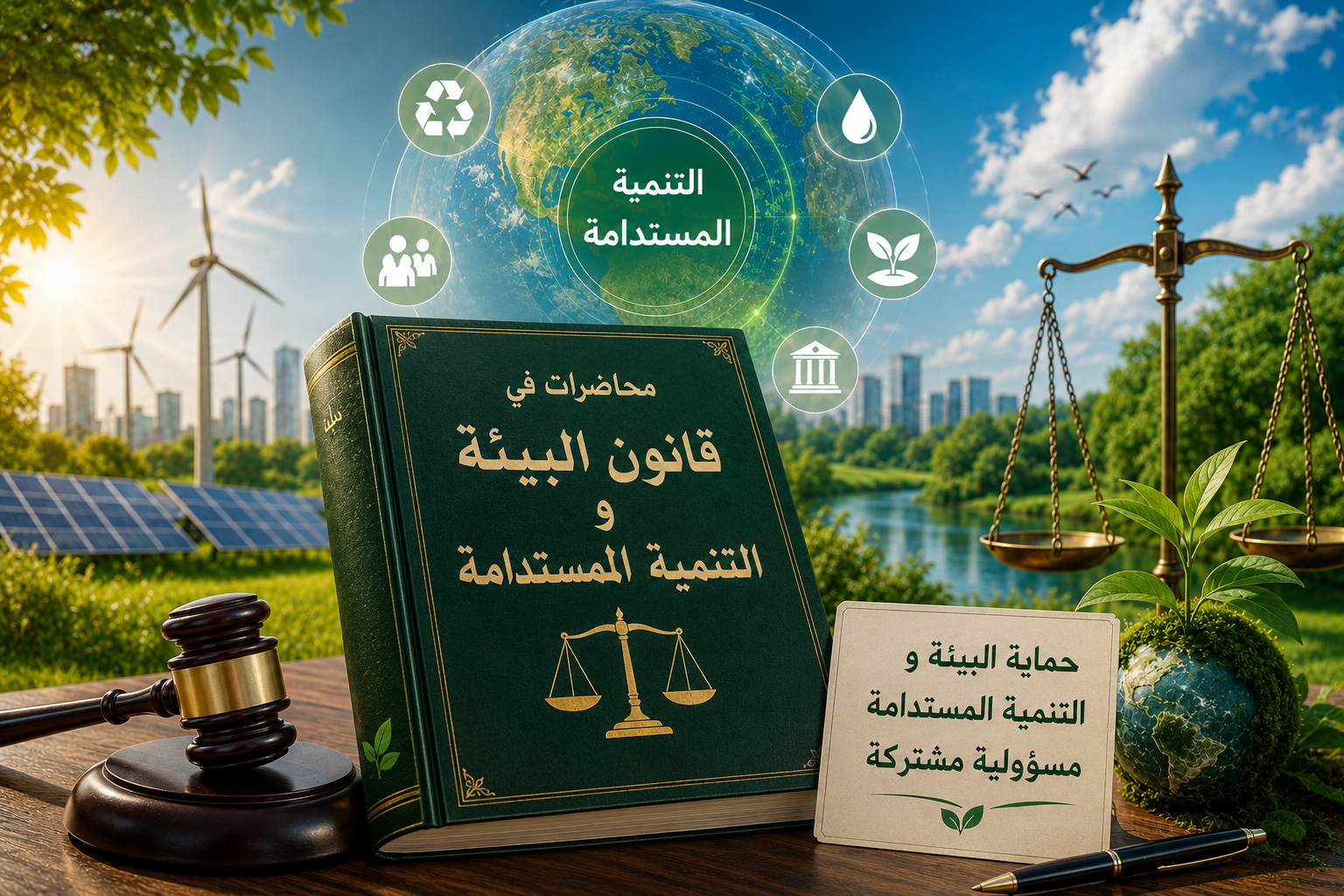 يدخل هذا المقياس ضمن ميدان الحقوق والعلوم
السياسية، شعبة الحقوق، ويُعدّ
مقياس قانون البيئة والتنمية المستدامة من المقاييس الأساسية في تكوين طلبة
ليسانس تخصص قانون عام، خاصة في مراحل متقدمة من التكوين الأكاديمي.
يدخل هذا المقياس ضمن ميدان الحقوق والعلوم
السياسية، شعبة الحقوق، ويُعدّ
مقياس قانون البيئة والتنمية المستدامة من المقاييس الأساسية في تكوين طلبة
ليسانس تخصص قانون عام، خاصة في مراحل متقدمة من التكوين الأكاديمي.
يركز هذا المقياس على دراسة و فهم و تحليل وتفســـــــير و مقارنـــــــــة الأحكــــــام و القــوانيـــــــن التـــي تحـمي البيئة و التنمية المستدامة و كذلك التي تجرم الجرائم البيئة و إجراءات متابعة الفاعلين و المتسببين ، من خلال التطرق الى مفاهيم عامة عن البيئة و حماية البيئة و التلوث البيئي و جرائم البيئية و التنمية المستدامة في القوانين المقارنة ، و الجهود الدولية و الوطنية اتجاه ذلك ، و الآليات المستحدثة الدولية و الوطنية التي تم وضعها لمواجهة تحديات الراهنة اتجاه البيئة و التنمية المستدامة ، بحيث أصبح هذا المقياس من مواضيع الساعة و من جهة أخرى أصبحت كل مشاريع التنمية الاقتصادية و دور الإنســـــــــان اليوم ، مـــــرتبــط بحمــاية البيــــــــئة و تحقيق التنمية المستدامة ، الأمر الذي لاشك منــــــــــــه أن يزيـــــــــــد من معرفة الطلـــــبة عـن واقـع دراسة البيــــئة و التنمية المستدامة في المسار الأكاديمي .
ينقسم هذا المقياس الى مجموعة من المحاور التي ستمكن الطالب من خلال المحاضرات الاستفادة من جميع المفاهيم و العناصر المتعلقة بالمقياس لا سيما من خلال المفاهيم العام و الإجراءات و الأحكام و استرجاع المكتسبات التي تلقاها خلال مساره الأكاديمي السنة الثانية ليسانس لدراسته للقانون الدولي العام و القانون الجنائي العام و قانون العقوبات .
كما سيتيح أيضًا للطالب اكتساب المعارف و المفاهيم المتعلقة بكيفيات حماية البيئة و محاربة التلوث البيئي و تحقيق التنمية المستدامة .

Grammar 2
The "Grammar 2" course is designed to transition first-year teacher trainees from basic grammatical recognition to advanced functional application. As future high school educators, students must not only master the rules of English syntax but also develop the pedagogical awareness to explain these structures. The course emphasizes accuracy in academic settings, ensuring students become effective users of the language in both written and spoken forms.
English for Specific Purposes (ESP)
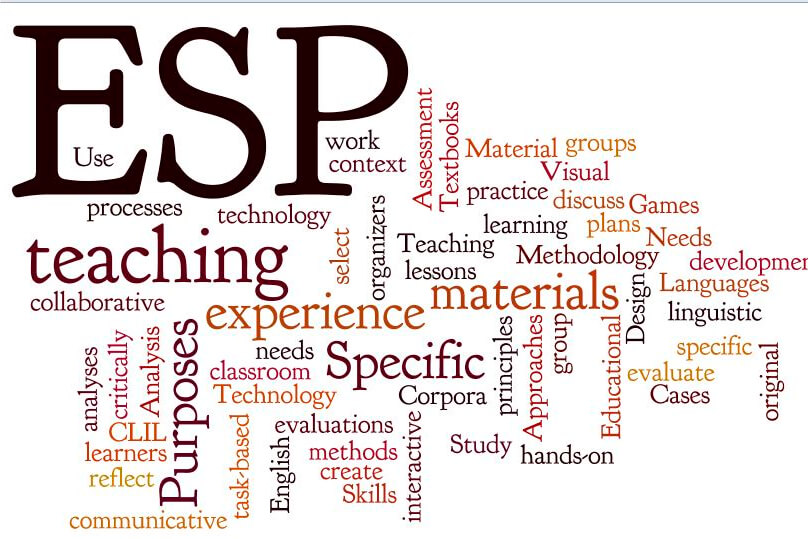
This English for Specific Purposes (ESP) course is designed to develop students’ ability to use English effectively across a range of professional, academic, and global contexts. While particular emphasis is placed on medical communication (e.g., doctor–patient interactions) and political/civic discourse (e.g., understanding governance and democratic systems), the course also extends to other key domains such as education systems across different countries, sustainability and environmental issues, and contemporary global challenges.

Phonetics and Phonology
Phonetics is a fundamental branch of linguistics that examines the nature and production of speech sounds. It provides essential insights into how sounds are articulated, transmitted, and perceived, forming the basic for understanding spoken language. This field is commonly divided into three main areas: Articulatory phonetics, which focuses on how speech sounds are produced by the human vocal. Acoustic phonetics, which studies the physical properties of sound waves, and Auditory phonetics, which explores how sounds are perceived by the listener.
This module introduces the key concepts and principles of phonetics and emphasises their practical application in analysing speech and improving pronunciation. It also highlights the relevance of phonetic knowledge in developing effective teaching strategies for language education.
This module is assessed through a continuous assessment (100%) TD:
- 1. Weekly short tasks/ participation
- 2. Project
- 3. Written Exam
Anglais Scientifique
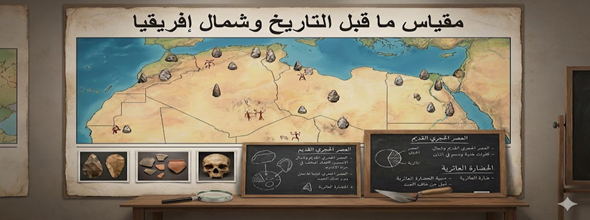
ما قبل التاريخ و شمال افريقيا
يتناول المقياس دراسة المراحل الأولى من التاريخ الإنساني قبل ظهور الكتابة، مع التركيز على المجال المغاربي عامة والجزائري خاصة. يهدف إلى تمكين الطلبة من فهم تطور الإنسان البدائي والبيئة والعصور الحجرية والمعدنية، وربط ذلك بالبعد الحضاري والوطني، ضمن تكوين أكاديمي يجمع بين الجانب النظري والتطبيقي. يعتمد على ترتيب المراحل الكبرى لهذا العصر وفق تسلسل زمني قائم على المعطيات الأثرية والجيولوجية والأنثروبولوجية.

cours
يتناول المقياس دراسة المراحل الأولى من التاريخ الإنساني قبل ظهور الكتابة، مع التركيز على المجال المغاربي عامة والجزائري خاصة. يهدف إلى تمكين الطلبة من فهم تطور الإنسان البدائي والبيئة والعصور الحجرية والمعدنية، وربط ذلك بالبعد الحضاري والوطني، ضمن تكوين أكاديمي يجمع بين الجانب النظري والتطبيقي. يعتمد على ترتيب المراحل الكبرى لهذا العصر وفق تسلسل زمني قائم على المعطيات الأثرية والجيولوجية والأنثروبولوجية.
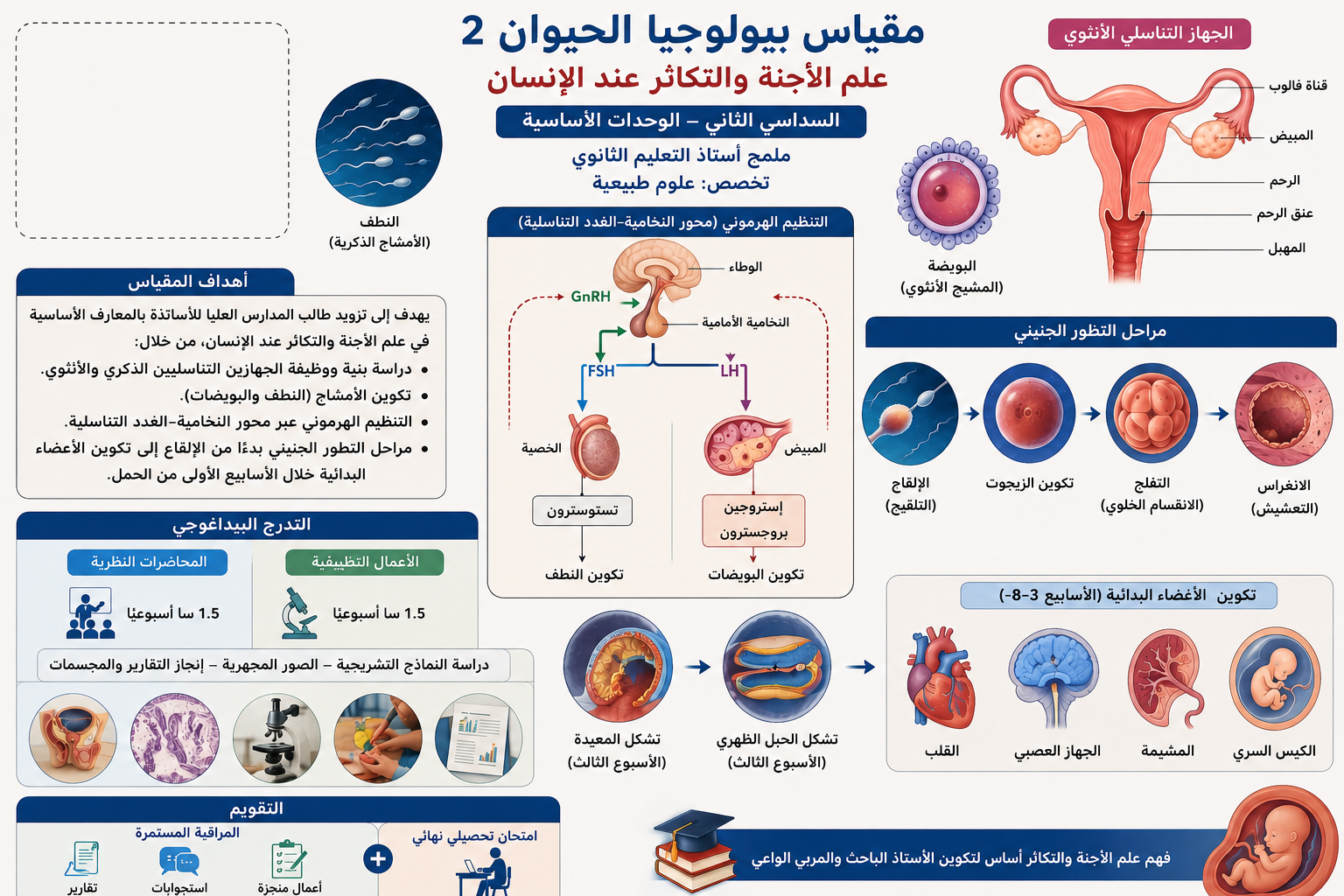
بيولوجيا الحيوان 02
مقياس بيولوجيا الحيوان2 موجود ضمن الوحدات الأساسية في السداسي الثاني ملمح استاد العليم الثانوي، تخصص علوم طبيعية، يهدف إلى تزويد طلاب المدارس العليا للأساتذة بالمعارف الأساسية في علم الأجنة والتكاثر عند الإنسان، إذ يتناول بالدراسة التفصيلية بنية ووظيفة الجهازين التناسليين الذكري والأنثوي بما في ذلك تكوين الأمشاج (النطف والبويضات) والتنظيم الهرموني عبر محور النخامية-الغدد التناسلية، كما يتعمق في مراحل التطور الجنيني بدءًا من الإلقاح (التلقيح) وتكوين الزيجوت، مرورًا بمراحل الانقسام الخلوي (التفلج) والانغراس (التعشيش) وتشكل المعيدة والحبل الظهري، وصولاً إلى تكوين الأعضاء البدائية خلال الأسابيع الأولى من الحمل (القلب، الجهاز العصبي، المشيمة والكيس السري). ويعتمد المقياس على تدرج بيداغوجي يجمع بين المحاضرات النظرية (1.5 سا أسبوعيًا) والأنشطة التطبيقية (1.5 سا أسبوعيًا) التي تشمل دراسة النماذج التشريحية والصور المجهرية وإنجاز التقارير والمجسمات، ويخضع الطالب للتقويم عبر المراقبة المستمرة (تقارير، استجوابات، أعمال منجزة) وامتحان تحصيلي نهائي
النحو العربي2
يدخل هذا المقياس ضمن مقتضيات تكوين أساتذة اللغة العربية لمرحلة التعليم الإبتدائي ، ويُعدّ مقياس النحو العربي من المقاييس الأساسية في تكوين طلبة اللغة العربية ، منذ المراحل أولى للتكوين لأن اللغة العربية خاصة في الطور الابتدائي "كفاءة عرضية" ولغة التدريس لكافة المواد، مما يجعل التمكن من النحو ضرورة قصوى.

Technical English for Mathematics and Computer Science.
Through this educational material, we attempt to address some of the tools of modern scientific communication that
may be considered contemporary and have emerged in academic and professional settings in light of globalization.
These tools have become more complex, comprehensive, and closely linked to information systems than ever before.
A prime example of this is the transformation of classical language tools into modern linguistic and analytical tools.
However, the purpose of this course remains to compare what is planned in terms of language skills with actual
outcomes and objectives—in general, what is expected versus what is achieved—through the adoption of both
traditional and modern tools. On this basis, this course aims to highlight the most important modern tools of scientific
communication, as outlined in the program's themes.
In light of this, the following sections will begin with a review of foundational English language concepts within the
modern academic environment as a first axis. We will then address the theoretical foundations of a key system in
modern scientific communication: the use of technical vocabulary and grammatical structures. We will review its main
advantages and limitations, and finally, we will discuss the procedures for its application in detail.
In order for students to be able to study and understand the content of the Basic English for Scientific Use course,
they must have a solid grasp of the knowledge acquired in previously studied subjects, as follows:
General concepts of English grammar and basic vocabulary.
Understanding of reading comprehension and text analysis processes.
Good command of written and oral communication fundamentals.
Below is a brief presentation of all the elements of the course, represented in a mind map.